4034 US-9 Howell, NJ 07731
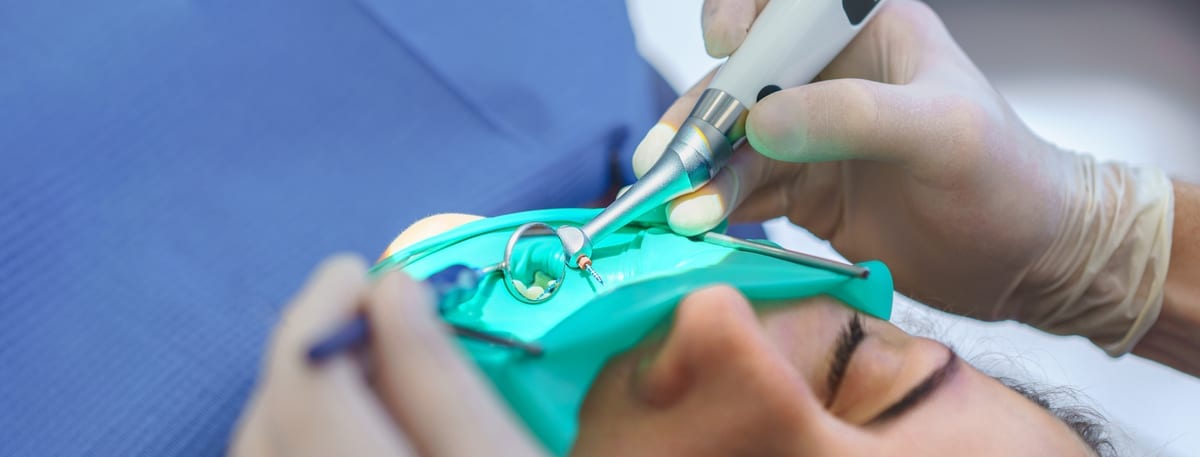
Root canal recovery doesn’t have to be a mystery. Many patients in Vista Center, NJ, feel anxious about life after the procedure. Understanding root canal recovery — what to eat, pain relief options, and red flags — helps you heal faster and with less worry. At Riverpark Dental of Howell, Dr. Abraham Y Husney and our team want every patient to feel confident and informed throughout the process.
Most people are surprised by how manageable recovery actually is. With the right preparation, you can bounce back quickly and comfortably. Read on for everything you need to know.
What to Eat During Root Canal Recovery in Vista Center
Your mouth will feel tender after a root canal. Choosing the right foods makes a big difference in your comfort and healing. Stick to soft, easy-to-chew options for the first few days.
Here are great food choices right after your procedure:
- Yogurt, pudding, and smoothies
- Mashed potatoes and soft cooked vegetables
- Eggs scrambled soft or poached
- Soup with soft ingredients (not too hot)
- Soft fish or tender chicken
- Applesauce and bananas
Avoid hard, crunchy, or chewy foods. Chips, nuts, and raw vegetables can aggravate the treated tooth. Sticky candies can dislodge a temporary crown or filling placed after your root canal.
Also avoid very hot or very cold foods. Your tooth may be sensitive to temperature for several days. Give yourself time before returning to your normal diet.
Pain Relief Options That Actually Work
Some discomfort after a root canal is completely normal. The good news is that most patients manage it well with over-the-counter options. Dr. Husney may also provide specific recommendations based on your situation.
The most effective OTC pain relievers for root canal recovery include:
- Ibuprofen (Advil, Motrin): Reduces both pain and inflammation effectively
- Acetaminophen (Tylenol): Good option if you cannot take ibuprofen
- Naproxen sodium (Aleve): Longer-lasting relief for persistent soreness
Many dentists suggest alternating ibuprofen and acetaminophen every few hours. This approach can provide steadier pain control. Always follow dosage instructions on the packaging.
Avoid aspirin right after the procedure. Aspirin can thin the blood and may increase post-treatment bleeding. If your pain is severe or worsening after 48 hours, contact our office right away.
Cold compresses applied to your cheek can also reduce swelling. Use a cloth-covered ice pack for 15 minutes on, then 15 minutes off. This simple step can ease discomfort significantly during the first 24 hours.
How Long Does Sensitivity Last After a Root Canal?
Tooth sensitivity after a root canal is completely expected. The surrounding tissues were disturbed during treatment. This temporary irritation takes time to settle down.
Most patients experience sensitivity for two to five days after treatment. Some mild soreness can linger for up to two weeks. This is especially common if there was significant infection before the procedure.
You may notice tenderness when you bite down. Avoid chewing on the treated side until your permanent crown is placed. A temporary restoration protects the tooth but is not as strong as a final crown.
Sensitivity that continues beyond two weeks deserves attention. It may indicate that the tooth needs further evaluation. Reach out to Dr. Husney if discomfort is not gradually improving over time.
Your overall oral health also plays a role in healing speed. Keeping up with regular care — like scheduling a Dental Cleaning — supports faster recovery and reduces infection risk.
Red Flags to Watch for After Your Root Canal
Most root canal recoveries go smoothly. However, certain warning signs should never be ignored. Knowing what to watch for protects your health and your investment in treatment.
Contact our office immediately if you experience any of the following:
- Severe or worsening pain that does not respond to OTC medication
- Visible swelling of the gum, cheek, or neck area
- Fever above 100.4°F — a possible sign of spreading infection
- Pus or discharge around the treated tooth
- A lost or cracked temporary filling — the tooth needs protection right away
- Numbness that does not wear off several hours after your appointment
These red flags do not mean something has gone seriously wrong in every case. But they do mean you should not wait to seek care. Early intervention prevents small issues from becoming bigger problems.
Allergic reactions to prescribed medications are rare but possible. Look for hives, difficulty breathing, or facial swelling. These require emergency medical attention immediately.
How to Support Healing at Home
Beyond food choices and pain relief, your daily habits shape how well you recover. Simple adjustments at home can speed up the healing process significantly.
Follow these recovery tips for the best results:
- Rinse gently with warm salt water starting 24 hours after treatment
- Brush and floss carefully — avoid aggressive pressure near the treated tooth
- Sleep with your head slightly elevated to reduce swelling
- Avoid smoking or tobacco products, which slow healing
- Skip intense exercise for the first 24 to 48 hours
Stay hydrated and rest as much as possible. Your body heals faster when it is not under stress. Most patients return to normal activities within one to two days.
Do not skip your follow-up appointment. Dr. Husney needs to confirm that healing is progressing properly. A permanent crown is typically placed within a few weeks to complete your treatment.
Taking care of your full smile during recovery matters too. Services like Cosmetic Dentistry can restore both function and appearance once your tooth has fully healed.
Conclusion: You Are in Good Hands at Riverpark Dental
Root canal recovery is manageable with the right guidance. Knowing what to eat, which pain relievers to use, and what red flags to watch for puts you in control of your healing. Patients throughout Vista Center and Howell Township, NJ, trust Dr. Abraham Y Husney for expert, compassionate dental care. Book Now to schedule your appointment with our team.
Frequently Asked Questions
How long does it take to fully recover from a root canal?
Most patients feel significantly better within two to five days. Full tissue healing can take up to two weeks. Recovery time depends on the severity of your infection and your overall health. Following your aftercare instructions helps you heal as quickly as possible.
Can I go to work the day after a root canal?
Many patients return to work the next day without any issues. If your job involves physical labor, you may want to take an extra day to rest. Light activity is generally fine after 24 hours. Listen to your body and avoid pushing through significant pain.
Is it normal for my tooth to feel loose after a root canal?
Mild looseness can occur due to inflammation in the surrounding ligament. This usually resolves as healing progresses. If the sensation persists beyond a week or feels significant, contact your dentist. Dr. Husney can evaluate the tooth and confirm everything is healing correctly.
What should I do if my temporary filling falls out?
Call our office as soon as possible if your temporary filling is lost or damaged. The treated tooth is vulnerable without its protective covering. Bacteria can re-enter the canal and compromise your treatment. Prompt attention prevents complications and protects your investment.
When is it safe to eat normally after a root canal?
You can typically return to a normal diet within three to five days. Wait until your sensitivity has noticeably decreased before trying harder foods. Always avoid chewing directly on the treated tooth until your permanent crown is placed. Your dentist will confirm when it is safe to resume all your usual foods.