
Signs you may need a filling
A cavity is a small area where acid from bacteria has broken through the enamel. Left alone, it keeps growing toward the nerve, and a repair that could have been a simple filling turns into a crown or root canal.
Many cavities cause no symptoms at all and are found on X-rays at a routine checkup. When they do make themselves known, it is usually in one of these ways:
- A twinge when you eat or drink something sweet, hot or cold
- Discomfort when you bite down on a particular tooth
- A rough edge, hole or dark spot you can feel with your tongue or see in the mirror
- Food catching in the same place between two teeth
- A chipped or cracked tooth, or an old filling that has worn down or broken
Why we use tooth-colored composite
Composite resin is a blend of plastic and fine glass particles. It is strong, it is matched to the shade of your tooth, and it bonds directly to enamel — so we can usually remove less healthy tooth structure than an old-style metal filling would need.
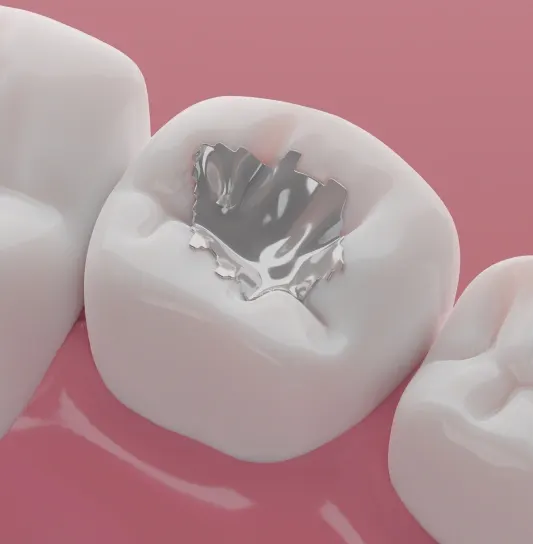
Metal (amalgam) fillings are durable, but they expand and contract with hot and cold, which can stress the surrounding tooth and lead to cracks over time. They are also easy to spot when you laugh. If you have old silver fillings that are failing or bother you, we can replace them with composite.
Your Dental Fillings Howell visit, step by step
Getting a filling is a routine appointment. Here is what happens, so there are no surprises:
- Numbing — local anesthetic numbs the tooth and surrounding area, so you feel pressure rather than pain.
- Isolation — the tooth is cleaned and kept dry, which is essential for a strong bond.
- Removing decay — the decayed and weakened parts of the tooth are carefully cleaned away.
- Bonding — a bonding agent is applied so the filling grips the tooth tightly.
- Layering — tooth-colored resin is placed in thin layers, each one hardened with a special curing light.
- Shaping and polishing — the filling is sculpted to match the tooth, your bite is checked, and the surface is polished smooth.
Filling, onlay or crown? Matching the repair to the damage
Fillings are ideal for small and medium cavities, minor chips and cracks. When decay or a fracture has taken away a larger part of the tooth, a filling alone may not be strong enough to hold up to chewing.
In that case an onlay — a custom restoration that covers one or more of the tooth's cusps — can rebuild the chewing surface while keeping more natural tooth than a crown. If the damage is more extensive, a dental crown covers and protects the whole tooth. We show you intraoral camera photos so you can see why we recommend one option over another.
What a filling costs
Fillings are usually considered basic care, which PPO plans typically cover at a meaningful percentage — often in the 70–80% range, depending on your plan. We are in-network with 32 PPO plans and check your benefits so your written estimate reflects what you will actually pay.
Without insurance, our membership plan includes 10% off fillings along with your yearly cleanings and exams. Treating a cavity early is almost always the least expensive choice.
Keeping new cavities away
A filling repairs the damage, but daily habits decide whether new cavities appear. These steps make the biggest difference:
- Keep up cleanings and checkups every six months
- Brush twice a day and floss once to clean between teeth
- Drink water through the day and cut back on sugary snacks and drinks
- Rinse with an antibacterial mouthwash after meals if you cannot brush
- Avoid smoking and other tobacco products
Dental Fillings Howell: frequently asked questions
How fast can I get Dental Fillings Howell appointments?
Does getting a filling hurt?
How long do tooth-colored fillings last?
Should I replace my old silver fillings?
What is the difference between a filling and an onlay?
When can I eat after a filling?
Get that cavity taken care of
Book online or call (732) 751-4028. The sooner a cavity is filled, the smaller and simpler the repair.