4034 US-9 Howell, NJ 07731
Many Farmingdale residents ignore a missing tooth because it feels like a cosmetic issue. But that gap in your smile does far more damage than you might expect. The best way to stop a missing tooth before it destroys your remaining teeth in Farmingdale is to act quickly. Dr. Abraham Y Husney at Riverpark Dental of Howell sees this preventable damage every week.
Understanding what happens inside your mouth after tooth loss changes everything. A single missing tooth sets off a chain reaction that affects your jaw, your bite, and every surrounding tooth. The good news is that modern dentistry offers fast, effective solutions. The sooner you act, the less damage you face.
Why a Missing Tooth Is Never Just a Cosmetic Problem
A tooth does more than help you chew or smile. It anchors the jaw bone beneath it and keeps neighboring teeth stable. When that tooth disappears, the bone begins to shrink within months. This process is called bone resorption, and it happens faster than most patients realize.
As the bone shrinks, nearby teeth start to drift into the empty space. This shifts your bite and creates uneven pressure across all your remaining teeth. Over time, that uneven pressure causes cracking, chipping, and wear. What started as one missing tooth can quickly become a much larger problem.
Patients in Farmingdale often come in after years of ignoring the gap. By then, the damage extends well beyond the original extraction site. Early prevention is always more affordable and less invasive than late-stage repair.
How to Stop a Missing Tooth Before It Destroys Your Remaining Teeth in Farmingdale
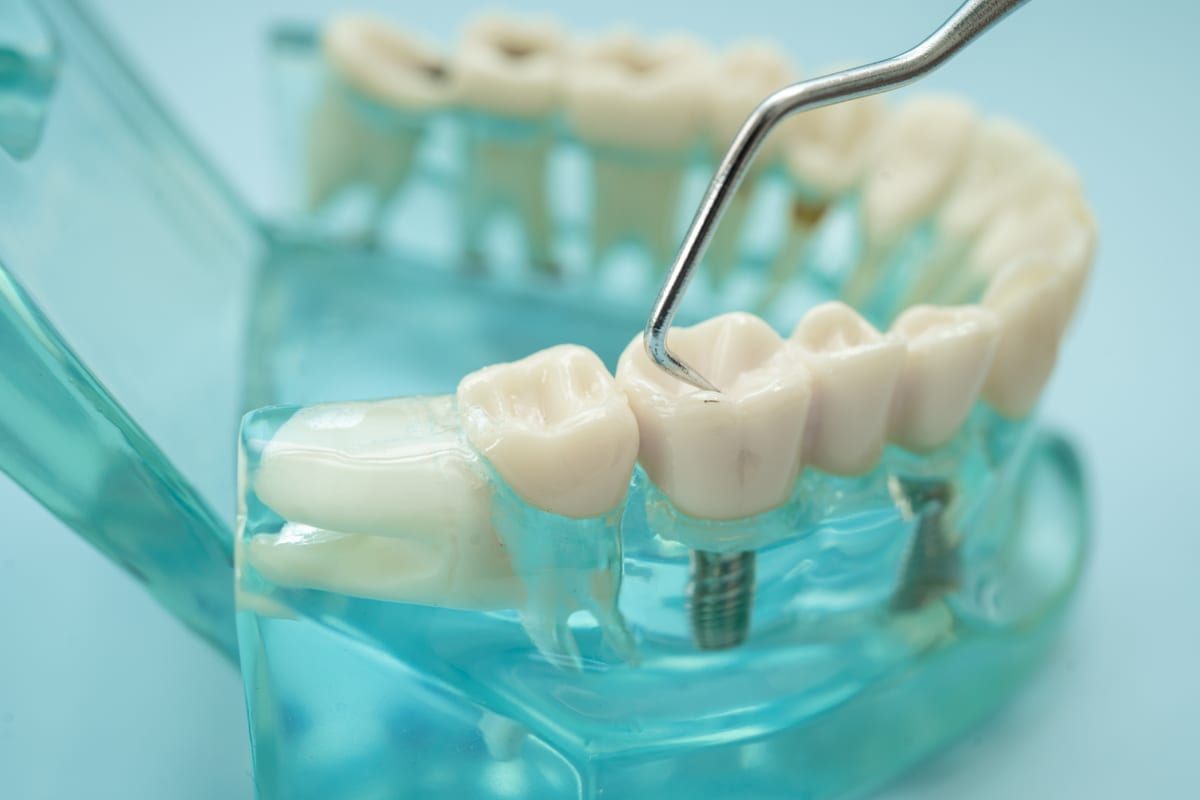
The most effective approach is replacing the missing tooth as soon as possible. Dental implants are the gold standard for tooth replacement. They fuse directly to the jaw bone and stop bone loss immediately. Implants also look and feel like natural teeth.
Dental bridges are another strong option for many patients. A bridge spans the gap by anchoring to the healthy teeth on either side. This restores chewing function and prevents neighboring teeth from drifting. Bridges can often be placed in just two appointments.
Dentures, both full and partial, offer an option when multiple teeth are missing. Modern dentures fit more comfortably than older versions. They restore function and help maintain facial structure. Your dentist will recommend the best fit based on your specific bone health and bite.
- Dental implants prevent bone loss and feel like natural teeth
- Dental bridges restore the bite and stop tooth drift
- Partial dentures replace multiple missing teeth efficiently
- All options protect surrounding teeth from future damage
The Hidden Dangers That Build Up Over Time
When teeth drift, your jaw joint takes on abnormal stress. This often leads to TMJ pain, headaches, and difficulty chewing. Many patients connect these symptoms to stress or aging. In reality, a missing tooth from years ago is often the root cause.
Drifted teeth also create new gaps and overlapping areas. These spots trap food and bacteria more easily than straight teeth. Cavities and gum disease develop faster in these crowded or shifted spaces. Regular Dental Cleaning appointments help manage buildup, but they cannot undo structural tooth drift.
Bone loss changes the shape of your face over time as well. The cheeks can appear hollow and the jaw can look sunken. These changes accelerate without a tooth root stimulating the bone. Replacing the tooth early preserves both your oral health and your facial appearance.
- TMJ pain and jaw soreness linked to missing teeth
- Increased risk of cavities in drifted or crowded teeth
- Faster gum disease progression around shifting teeth
- Visible facial changes from jaw bone loss
- Cracked or worn teeth from uneven bite pressure
Cosmetic and Confidence Benefits of Acting Early
Replacing a missing tooth is not just about health. It also restores your confidence to smile, speak, and eat freely. Many Farmingdale patients say they stopped laughing openly because of visible gaps. Addressing the issue early gives you your full smile back sooner.
Cosmetic Dentistry options like veneers, teeth whitening, and smile makeovers work best when your foundation is healthy. A missing tooth compromises that foundation. Replacing it first ensures that any cosmetic work lasts longer and looks better. It is always smart to build on a stable, healthy base.
Dr. Husney takes time to explain every option clearly. He helps each patient understand the long-term value of acting now versus waiting. Prevention is always the better investment for your smile and your overall health.
What to Expect at Riverpark Dental of Howell
Your first visit focuses on a full evaluation of your jaw bone, bite, and surrounding teeth. Dr. Husney uses this information to design the most effective treatment plan for your situation. You will leave your consultation with a clear understanding of your options and next steps.
The team at Riverpark Dental serves patients from Farmingdale and the surrounding Howell Township area. The office combines advanced technology with a warm, welcoming atmosphere. Patients consistently say they feel informed and comfortable throughout their care. Your dental health is treated as the long-term priority it deserves to be.
Every missing tooth has a solution. The only variable is how much surrounding damage occurs before you seek care. Choosing to act now protects your investment in every tooth you still have. Book Now to schedule your appointment with our team.
Frequently Asked Questions
How quickly does bone loss start after a tooth is extracted?
Bone loss begins within the first few months after a tooth is removed. Without a tooth root stimulating the bone, the jaw starts to resorb the bone tissue. Significant bone loss can occur within the first year. Early tooth replacement slows or stops this process entirely.
Is a dental implant the only way to stop bone loss?
Dental implants are the most effective solution for preventing bone loss because they replace the tooth root. Bridges and dentures restore function and prevent teeth from drifting, but they do not stimulate bone growth. Your dentist will help you understand which option best fits your bone health and budget.
Can a missing tooth really cause damage to healthy teeth?
Yes. When a gap exists, neighboring teeth drift toward it over time. This creates uneven pressure, which leads to cracking, chipping, and increased wear. Drifted teeth are also harder to clean, raising the risk of cavities and gum disease in those areas.
How long does it take to replace a missing tooth with an implant?
The implant process typically takes several months from start to finish. The implant post is placed first and allowed to fuse with the jaw bone. A crown is then attached once the healing is complete. Your dentist will give you a personalized timeline based on your bone health.
What if I have had a missing tooth for many years already?
It is never too late to address a missing tooth, though earlier action limits damage. Patients with long-term tooth loss may need a bone graft before an implant can be placed. Dr. Husney evaluates each case individually to find the safest and most effective path forward. Even late treatment can significantly improve your oral health and quality of life.