4034 US-9 Howell, NJ 07731

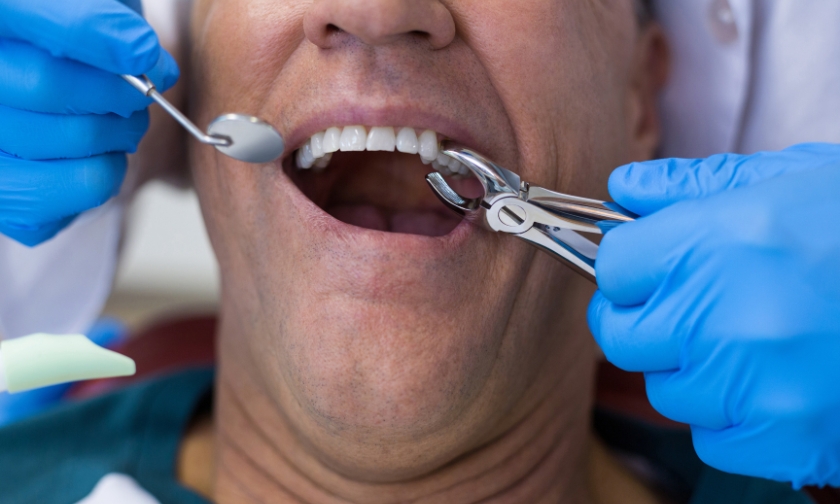
Did you know that the right foods can speed up your recovery after wisdom teeth removal? Post-surgery care is essential, and choosing soft, easy-to-eat foods plays a critical role in healing. After undergoing a wisdom teeth extraction, it’s crucial to feed your body the nutrients it needs to recover while also avoiding foods that could irritate or prolong discomfort. The wrong choices can increase your chances of complications, including infection or a dry socket.
In this guide, we’ll walk you through seven nutrient-rich foods that can help soothe your gums, reduce inflammation, and accelerate healing. You’ll also find tips on proper hydration, rest, and other recovery strategies to ensure a smooth recovery journey.
Whether you’re from Howell or nearby areas, Riverpark Dental of Howell is here to support you with aftercare advice and help you stay on track during your recovery.
Top 7 Foods You Can Eat After Wisdom Teeth Removal
Smoothies: A Nutrient-Packed Option
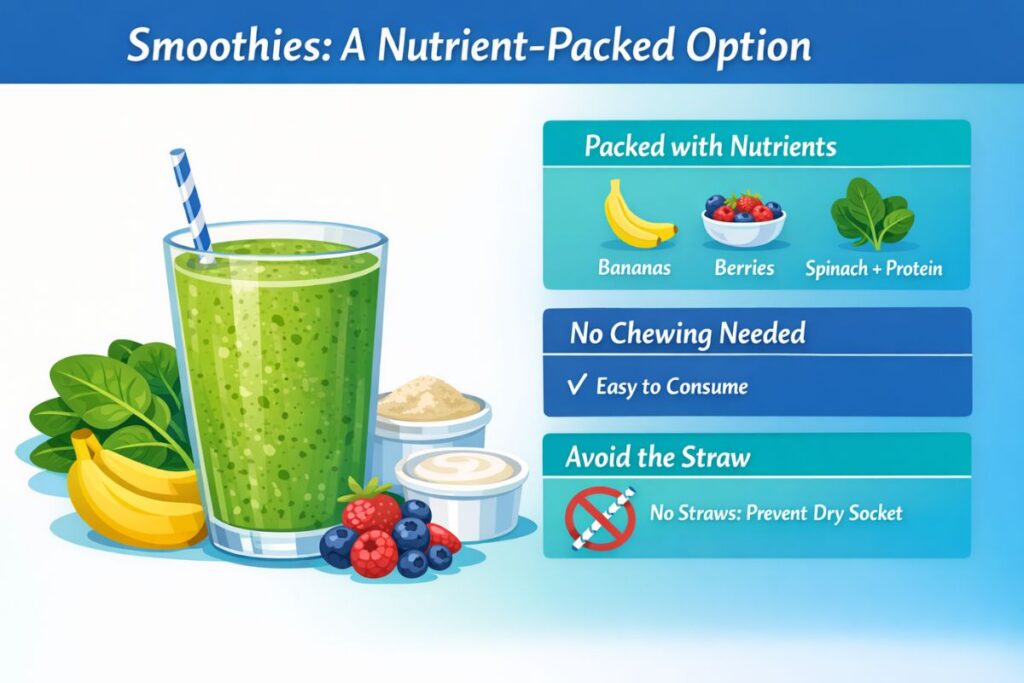
Smoothies are a go-to choice for those recovering from wisdom teeth removal because they are easy to consume and packed with nutrients. A well-balanced smoothie can deliver essential vitamins, antioxidants, and protein, all without the need to chew.
Why it’s Good:
Smoothies provide a convenient way to pack in fruits, vegetables, and protein while avoiding the risk of chewing hard foods. They’re also incredibly versatile, making them a great option for those who may not feel like eating solids during the first few days of recovery.
Recommendations:
Consider adding ingredients like bananas (rich in potassium), berries (full of antioxidants), and spinach (for iron and vitamins). Protein powder or Greek yogurt can also be added to make the smoothie more filling and beneficial for muscle recovery.
Tips:
While smoothies are ideal, it’s essential to avoid using a straw, as the suction can dislodge the clot in your extraction site, leading to complications like dry socket.
Mashed Potatoes: Soft and Comforting
Mashed potatoes are an ideal post-surgery food because of their smooth texture and ease of eating. They are soft enough to avoid any irritation to your healing gums while providing your body with much-needed calories.
Why it’s Good:
The soft texture of mashed potatoes makes them easy to swallow and gentle on your gums. Potatoes are also high in carbohydrates, which provide energy, an essential nutrient as your body heals.
Benefits:
Mashed potatoes can be a perfect comfort food and can be combined with other soft items, like gravy or cheese, to add more flavor and nutrients to your diet.
How to Make:
You can make mashed potatoes with butter or cream to enhance the texture. For a healthier variation, use olive oil or non-dairy milk if you’re sensitive to dairy.
Yogurt: Cooling and Calming
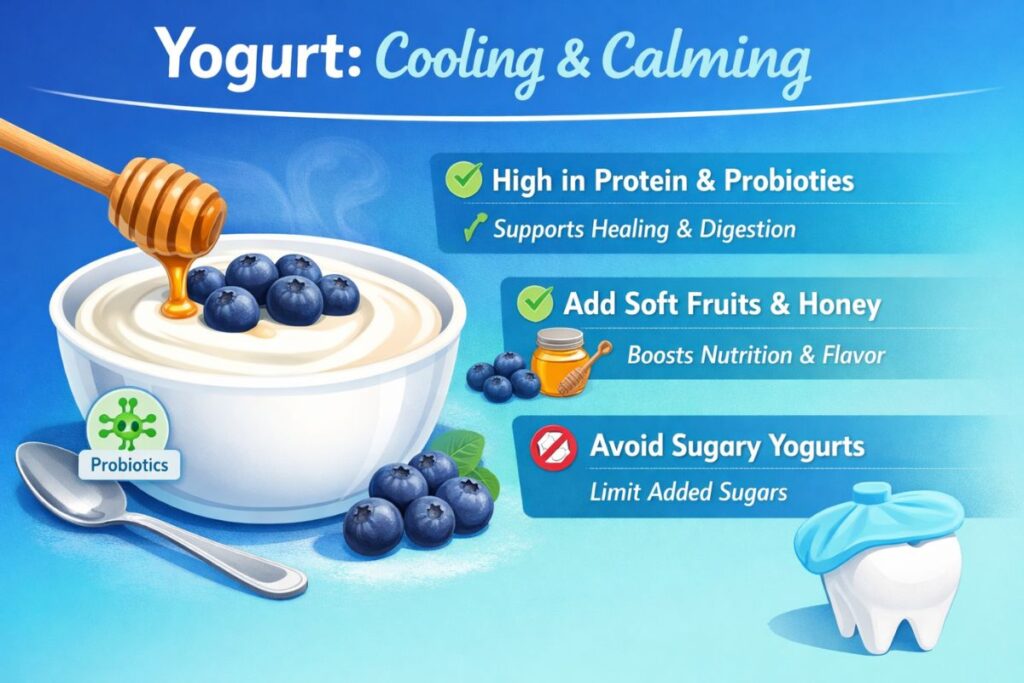
Yogurt is an excellent food choice after wisdom teeth extraction in Howell because it’s smooth, cold, and full of probiotics that can support your digestive health. Plus, it’s high in protein, making it a great option for nourishment.
Why it’s Good:
Yogurt is packed with protein, calcium, and probiotics, which can help promote healing and support your immune system. It’s also cold, which can help soothe your mouth after surgery.
Recommendations:
Opt for plain yogurt without added sugars. You can add soft fruits like blueberries or a drizzle of honey for extra flavor and nutrition. The probiotics in yogurt can also help regulate your gut health during the recovery process.
Tips:
Be mindful of flavored yogurts that may contain high amounts of sugar, which can irritate your healing gums.
Scrambled Eggs: Protein Power
Eggs are an excellent source of protein, which is essential for tissue repair after any surgery. Scrambled eggs are soft and easy to chew, making them a great addition to your post-surgery diet.
Why it’s Good:
Eggs are a rich source of protein and other vitamins like vitamin B12, which are important for recovery. Scrambled eggs are especially easy to eat because they are soft and fluffy.
How to Prepare:
Cook your eggs lightly, using a little butter or olive oil to keep them moist and soft. Make sure to avoid overcooking them, as this can make them tougher to eat.
Tips:
Keep the texture soft and moist, as this will ensure they go down easily without causing discomfort.
Broth-Based Soups: Hydrating and Gentle
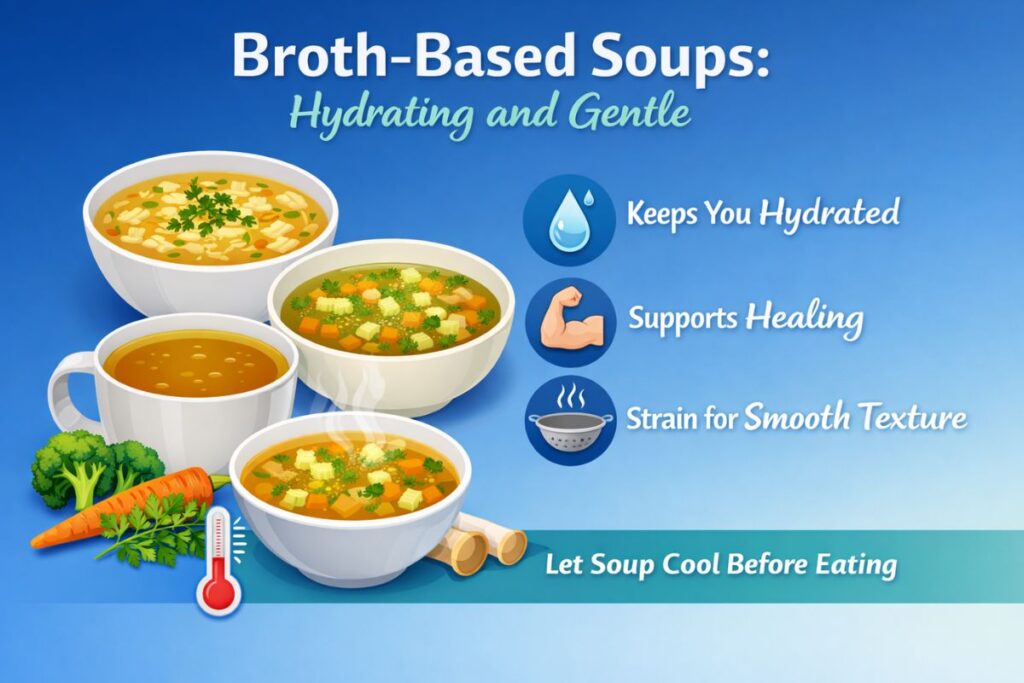
Soups, especially those made from broth, can provide hydration and nourishment during your recovery. Since you’ll likely be avoiding solid foods initially, broth-based soups are a great choice.
Why it’s Good:
Broth-based soups are gentle on your gums and provide hydration, which is vital for your body to heal. You can find soups that are rich in nutrients like vitamins and protein, which support tissue repair.
Best Choices:
Chicken, vegetable, or bone broth soups are excellent options. Make sure the soup isn’t too hot, as this could irritate the surgical site. Avoid soups that contain large chunks of vegetables, as they may be too hard to chew.
Tips:
Make sure to let the soup cool before consuming it. You can also strain out any chunky bits for a smoother consistency if needed.
Avocados: Smooth and Nutrient-Rich
Avocados are full of healthy fats, vitamins, and minerals, making them a great recovery food. Their creamy texture makes them easy to eat, and they are also highly nutritious.
Why it’s Good:
Avocados are packed with heart-healthy monounsaturated fats and contain essential nutrients like potassium, which can help reduce swelling and inflammation after surgery.
Recommendations:
You can mash avocados on their own or add them to smoothies for extra creaminess. They can also be paired with other soft foods like scrambled eggs for added texture and flavor.
How to Eat:
Mash the avocado until smooth, and be sure to avoid any large chunks that could irritate your mouth. If you prefer, you can mix them with yogurt or soups.
Oatmeal: Soft and Satisfying
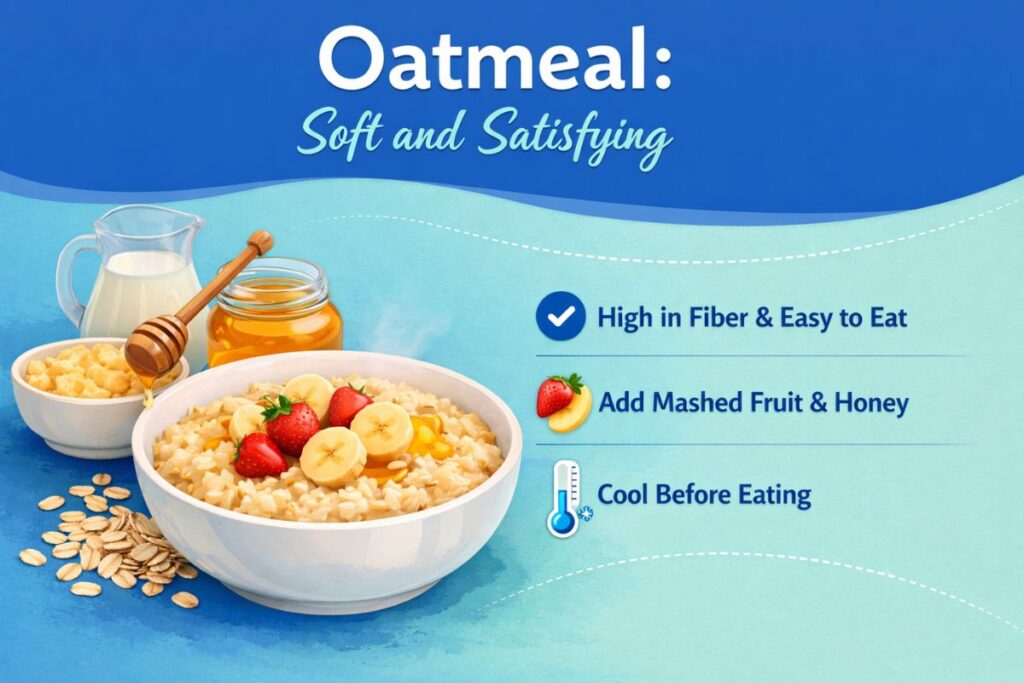
Oatmeal is another excellent soft food that provides fiber and energy. It’s easy to prepare and can be customized with various soft ingredients to make it more flavorful and nourishing.
Why it’s Good:
Oatmeal is a good source of fiber, which can aid digestion, and it is very easy on the mouth, making it an ideal food after surgery. It can also be soothing when served at a comfortable temperature.
How to Prepare:
Cook oatmeal with milk or water to achieve a smooth consistency. You can also add a bit of honey or mashed fruit for additional nutrients.
Tips:
Let the oatmeal cool down before eating, as hot foods could cause discomfort while healing.
Hydration: How Drinking Fluids Affects Your Recovery
Hydration plays a significant role in your recovery after wisdom teeth removal. Drinking plenty of fluids helps keep your body nourished, promotes healing, and prevents complications like dry socket. It is essential to stay hydrated not only to speed up the recovery process but also to avoid common complications that can slow healing.
Importance of Hydration:
Drinking enough fluids supports your body’s natural healing processes. Fluids help transport nutrients to the surgical site, reduce inflammation, and maintain optimal blood flow, which is necessary for tissue repair. Hydration also prevents the mouth from drying out and helps avoid the risk of infections.
Types of Fluids to Choose:
Water is your best option for hydration. You can also sip on herbal teas or clear broths to add variety. Avoid sugary drinks or caffeinated beverages as they can irritate the healing area. It’s also crucial to avoid using straws during the first few days as the suction can dislodge blood clots, leading to dry socket.
Fluid Tips:
Be sure to take small sips regularly, especially in the first 24 hours, as your body adjusts to the healing process. Maintaining hydration is an easy yet essential step to ensure a smooth recovery.
The Role of Rest in Recovery

Taking time to rest and relax is just as important as the foods you eat when recovering from wisdom teeth extraction in Howell. Your body requires time and energy to heal, and getting adequate rest ensures that you stay energized and that the healing process is efficient.
Why Rest is Essential:
Resting after surgery helps your body repair itself and reduces the risk of complications. Avoiding physical exertion and staying relaxed allows your body to focus its energy on healing the surgical sites. Additionally, resting helps reduce swelling and discomfort, promoting a more comfortable recovery period.
How Much Rest is Enough:
After your procedure, plan for at least 2–3 days of rest, ideally with your head elevated to minimize swelling. While light activities can be resumed after this period, avoid strenuous exercise or heavy lifting for at least a week.
Mental Rest:
It’s also important to take care of your mental health during recovery. Stress can interfere with your body’s ability to heal, so try to engage in relaxing activities like reading, listening to soothing music, or watching TV. Keeping your environment calm and stress-free will enhance the healing process.
How to Tell If You’re Healing Properly
After wisdom teeth removal, it’s essential to monitor your recovery to ensure that everything is progressing as it should. While some discomfort and swelling are normal, you should be aware of the signs that indicate you’re healing well and those that may suggest a complication.
Signs of Healthy Healing:
Healthy healing typically includes a reduction in swelling, minimal pain, and the absence of any infection. Your gums should gradually start to close around the extraction site, and there should be no persistent bleeding after the first few days.
Signs of Potential Issues:
If you experience severe pain that doesn’t subside with over-the-counter medications, or if your swelling worsens after the initial 48 hours, it could be a sign of an infection or other complications. Additionally, a fever, excessive bleeding, or a bad taste in your mouth could indicate an infection or dry socket.
What to Do:
If you notice any signs of complications, it’s essential to contact Riverpark Dental of Howell right away for a follow-up appointment. The sooner we can address any issues, the quicker we can ensure a smooth and safe recovery.
In conclusion, sticking to soft, easy-to-eat foods after wisdom teeth extraction is crucial to support your recovery. Foods like smoothies, mashed potatoes, yogurt, scrambled eggs, broth-based soups, avocados, and oatmeal provide essential nutrients while minimizing discomfort. Hydration, rest, and relaxation are just as important to ensure the best recovery outcome.
If you have concerns about your recovery or need a follow-up appointment, feel free to reach out to us at Riverpark Dental of Howell. We’re here to ensure that your healing process is as smooth and comfortable as possible. Contact us today to schedule a follow-up and ensure a healthy, speedy recovery.
People Also Ask
1. How soon can I eat solid food after wisdom teeth removal?
After the first few days, you can gradually reintroduce solid foods. Start with soft foods and progress to firmer ones as you heal.
2. Can I eat ice cream after wisdom teeth removal?
Yes, ice cream is a great option. It’s soft, soothing, and can help reduce swelling when served cold, but avoid anything with crunchy toppings.
3. How long should I avoid crunchy foods after wisdom teeth removal?
Avoid crunchy foods for at least the first week. These can irritate your gums and slow down the healing process.
4. Should I drink through a straw after wisdom teeth removal?
No, avoid using a straw for at least a week as the suction can dislodge blood clots and lead to dry socket
5. Is it safe to eat soups with chunks after wisdom teeth removal?
It’s best to avoid soups with large chunks during the first few days. Opt for smooth, broth-based soups to prevent irritation.