

Experience Exceptional Dentistry in Howell
5.0out of 5 stars from537 reviewson GoogleBook Online Here- 5.0 rating537+ Google reviews
- Open Sundays9:00 am – 3:00 pm
- 32 PPO plans in-networkMembership plan available
- Same-day emergenciesTime reserved every day
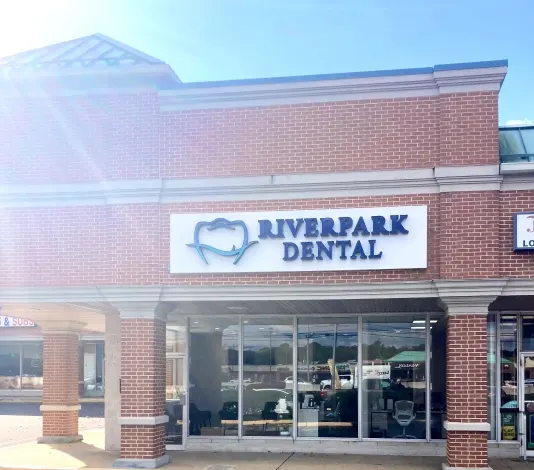
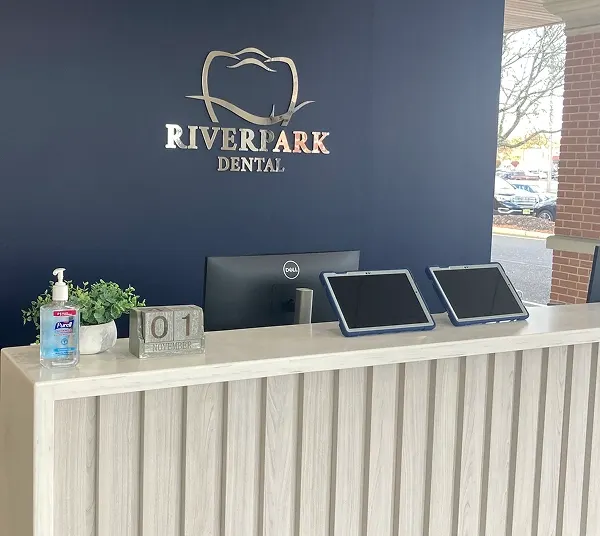

Welcome
Dentist Howell: Riverpark Dental of Howell
Riverpark Dental of Howell is the Dentist Howell families rate 5.0 stars from 537+ Google reviews. From our office at 4034 US-9, Dr. Abraham Y Husney and Dr. Justin Nus provide checkups, fillings, crowns, implants, Invisalign® and emergency care — and we’re open every Sunday.
Appointments run on time, every treatment is explained in plain language before it starts, and you get a written estimate first. We’re in-network with 32 PPO plans and set aside time every day for new patients and emergencies, so you won’t wait weeks to be seen.
Full-service dental care
Everything your smile needs, under one roof
Preventive, restorative, cosmetic and emergency dentistry — with advanced technology and a gentle touch.
Preventative Care
Stay ahead of dental issues with exams, cleanings and preventive care that protect your smile for the long run.
Learn moreDental Implants
Strong, natural-looking replacements that restore how you eat, speak and smile — for one tooth or a full arch.
Learn moreInvisalign®
Straighten your smile comfortably with clear aligners — a discreet, flexible alternative to metal braces.
Learn moreEmergencies
Sudden toothache or a broken tooth? Fast, gentle same-day care when you need it most — including Sundays.
Learn morePreventive & Family
Restorative
Dental Implants
Cosmetic & Orthodontic
Experienced doctors who listen
Meet your Dentist Howell team
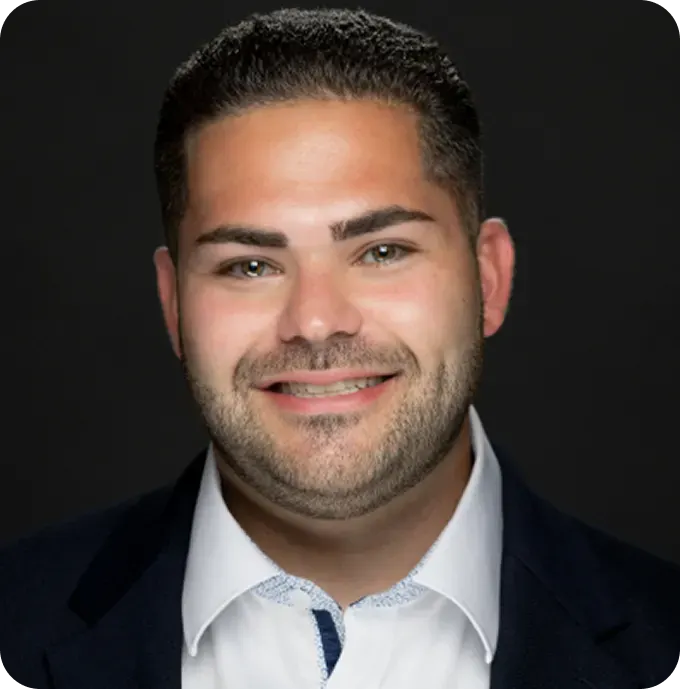
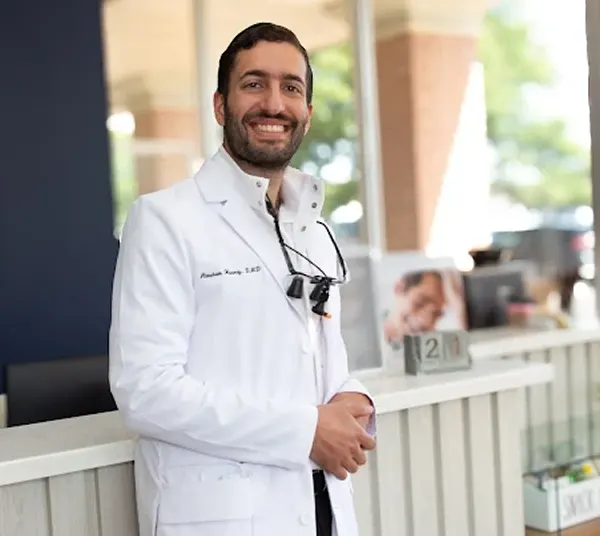
Dr. Abraham Y Husney earned his DMD at Rutgers School of Dental Medicine and holds a Diplomat Certificate of Completion from a Dental Implant Surgical Seminar. Dr. Justin Nus earned his DDS at NYU College of Dentistry and completed a General Practice Residency at Coney Island Hospital.
Meet the dentists
Our promise
Care that feels different from the first visit
Hospitality
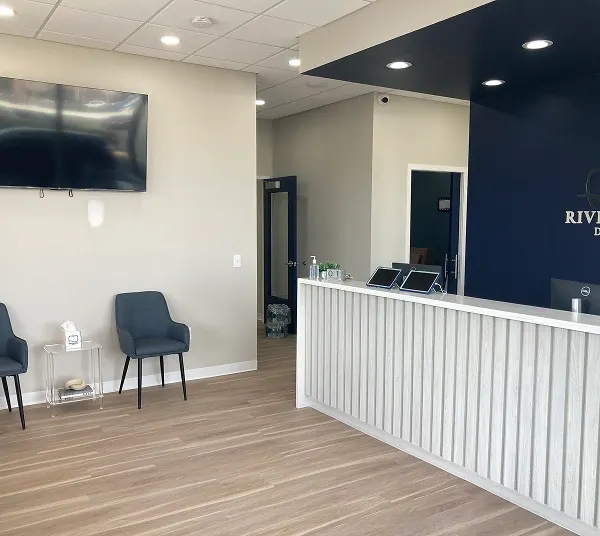
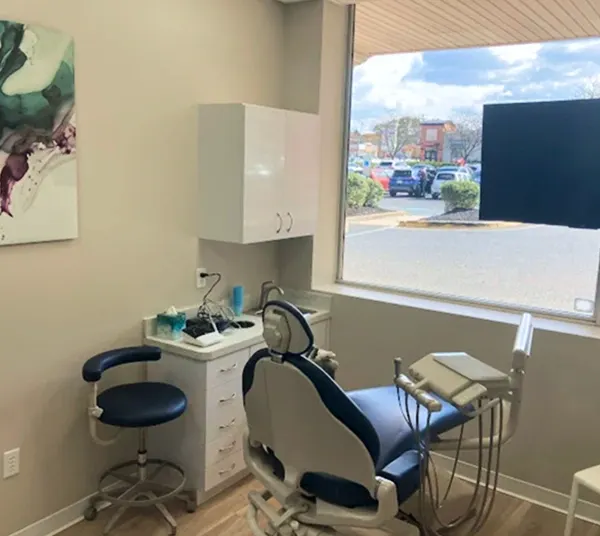
A calm, welcoming office designed for guests — not a cramped waiting room.
Quality
Every treatment is backed by diagnostics and done to last.
Follow-up care
We explain every step and follow up after treatment.
Technology
Digital X-rays with up to 80% less radiation, 3D scans, intraoral cameras and gentle laser therapy.
Integrity
No upselling and no pressure — options explained in plain language.
Friendly
A warm team that treats you like family from the first call.
Why switch
Your old dentist vs. your new favorite
Life with your old dentist
- Confusing pricing, unexpected bills
- Long waits in a cramped lobby
- Pushed into treatment you didn’t fully understand
- Weeks or months to get an appointment
- Feeling like just another patient on the schedule
Life at Riverpark Dental of Howell
- Clear, honest pricingTransparent estimates and flexible payment plans, including in-house and third-party financing.
- Easy to switchWe handle your records, verify insurance and schedule your first appointment quickly.
- No pressure — just real careOur doctors don’t upsell or rush you. Treatment is explained in plain language and aligned with your goals.
- Fast appointmentsWe block out time every day for new patients and emergencies, so you usually won’t wait weeks to get in.
- Zero waiting-room timeWe work hard to run on time.
- Yes, we work with insuranceWe’re in-network with 32 PPO plans and help you maximize your benefits.


Patient stories
We are loved by our patients
“I have visited multiple dentists in the past, but this particular one has provided me with the most exceptional experience. The entire team went above and beyond to assist me with the intense pain I was enduring, displaying remarkable knowledge and expertise. I felt a significant improvement, ten times better, after leaving their office today, and everyone I encountered was incredibly kind.”
“An extraordinarily warm atmosphere with a professional team where you feel like you are with your own family. Their attentive approach to my problem exceeded all expectations. This was an experience I have never felt in any other office. I left satisfied and filled with positive emotions. I highly recommend visiting — you definitely won't regret it.”
“I recently discovered Riverpark Dental and I'm really pleased with the experience. I went twice, one for cleaning with the most knowledgeable and friendly hygienist. The second time I got a great dentist to do some work on three of my teeth and the work was impeccable. Every single interaction from the receptionist to the aftercare was the best I had in long time. Highly recommended.”
In-network with 32 PPO plans
Aetna, Cigna, Guardian, MetLife, Humana, Ameritas, Blue Cross Blue Shield and many more. We verify your benefits and help you get the most from them.
See accepted insuranceNo insurance? Join our membership plan
Adult plans from $295/year and child plans from $199/year — cleanings, exams and X-rays included, plus 10% off other procedures.
Explore membership plansFAQ
Questions patients ask us
Where is your Dentist Howell office?
Is Riverpark Dental open on Sundays?
Does Riverpark Dental accept dental insurance?
What if I don’t have dental insurance?
Do you see dental emergencies the same day?
Who are the dentists at Riverpark Dental of Howell?
Riverpark Dental of Howell
4034 US-9, Howell, NJ 07731
Start your smile journey
New patients and emergency appointments welcome
We block out time every day for new patients and emergencies — and we're open every Sunday. We’re in-network with 32 PPO plans; no insurance? Ask about our membership plan.