4034 US-9 Howell, NJ 07731
Dental sealants make cavity prevention a whole lot easier, especially for kids and teens. They’re a thin plastic coating that covers the grooves in your molars, blocking out food and bacteria. Sealants do a great job at cutting down the risk of cavities, but they don’t last forever—you’ve got to take care of them if you want them to stick around. Here’s how to keep your sealants in good shape.
What Are Dental Sealants?
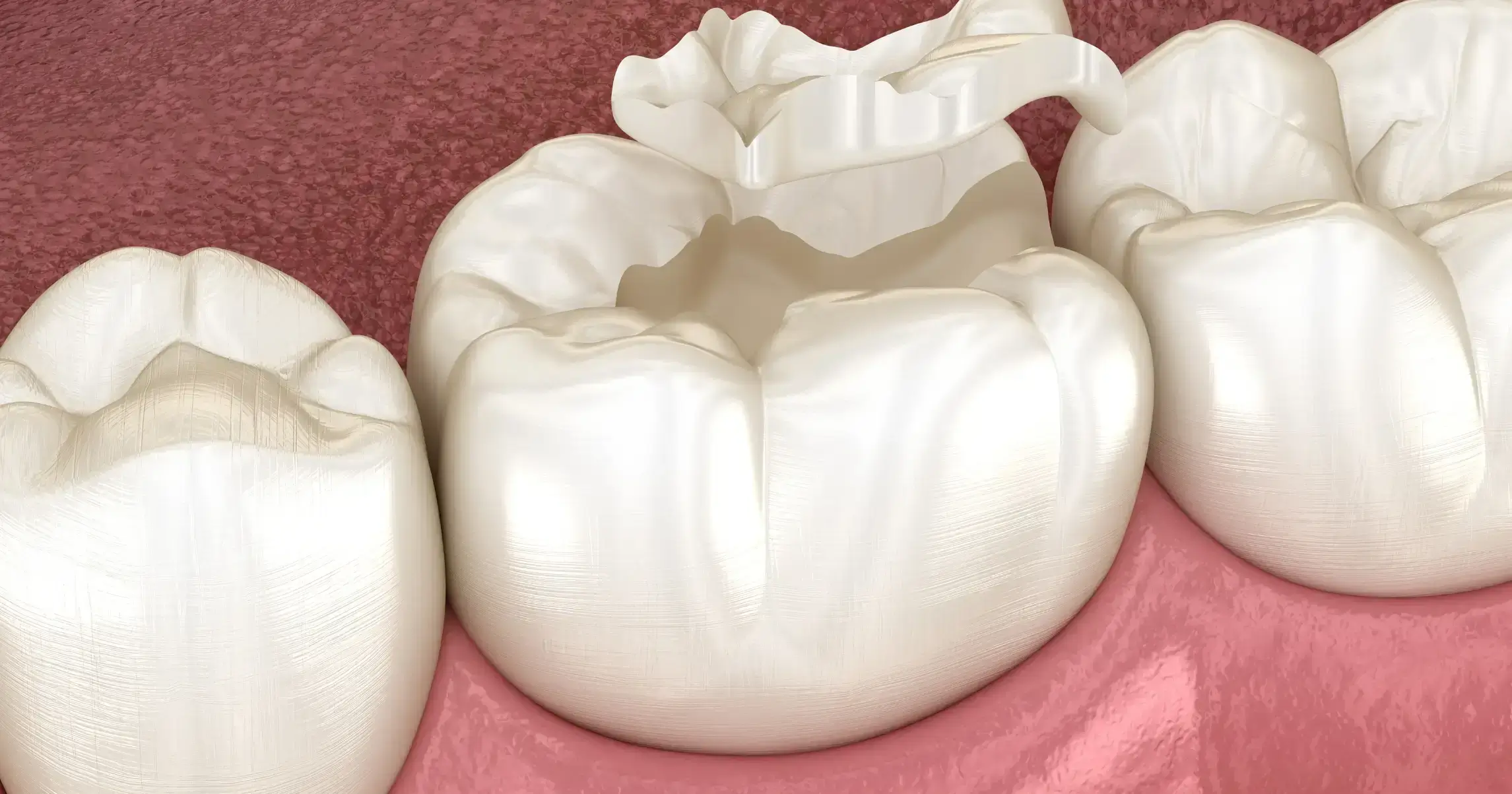
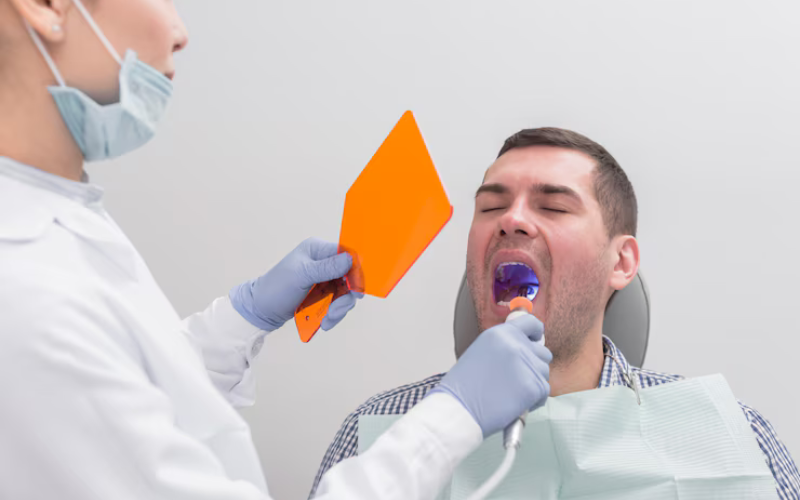
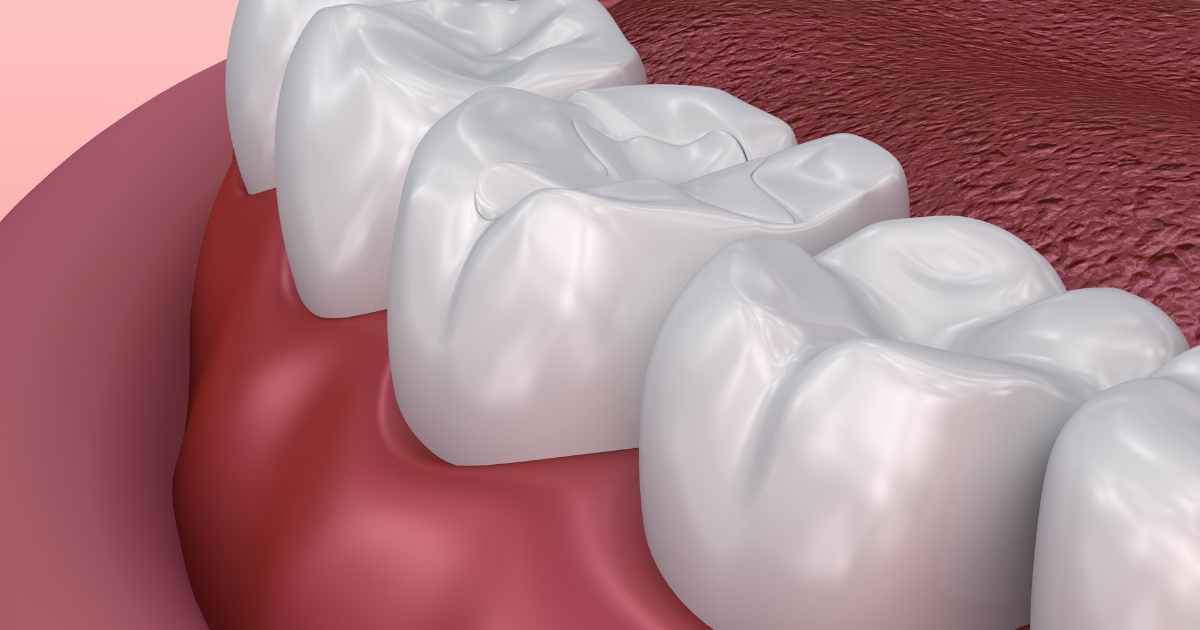
Think of dental sealants as a shield for your molars—the spots where cavities love to form. Those deep grooves in your back teeth are tough to clean with a toothbrush, so plaque and bacteria tend to settle in. When you get sealants, your dentist paints a thin layer over those grooves, and once it hardens, it acts like a barrier. Done right, it can protect your teeth for years.
How To Take Care of Your Sealants
If you want your dental sealants to last, a little attention goes a long way. Here’s what you can do:
1. Keep Up With Brushing and Flossing
Sealants help, but they aren’t a substitute for good brushing. Stick with brushing twice a day using fluoride toothpaste, and don’t skip flossing. You should remove any food or plaque that’s there in your mouth.
2. Watch Out For Sticky Or Hard Foods
Sealants are hard, but they’re not indestructible. Chewing ice, hard candy, or sticky food items like caramel can chip or wear them down faster. Softer foods are easier on your teeth. If you really want that hard candy, break it into little pieces instead of biting down.
3. See Your Dentist Regularly
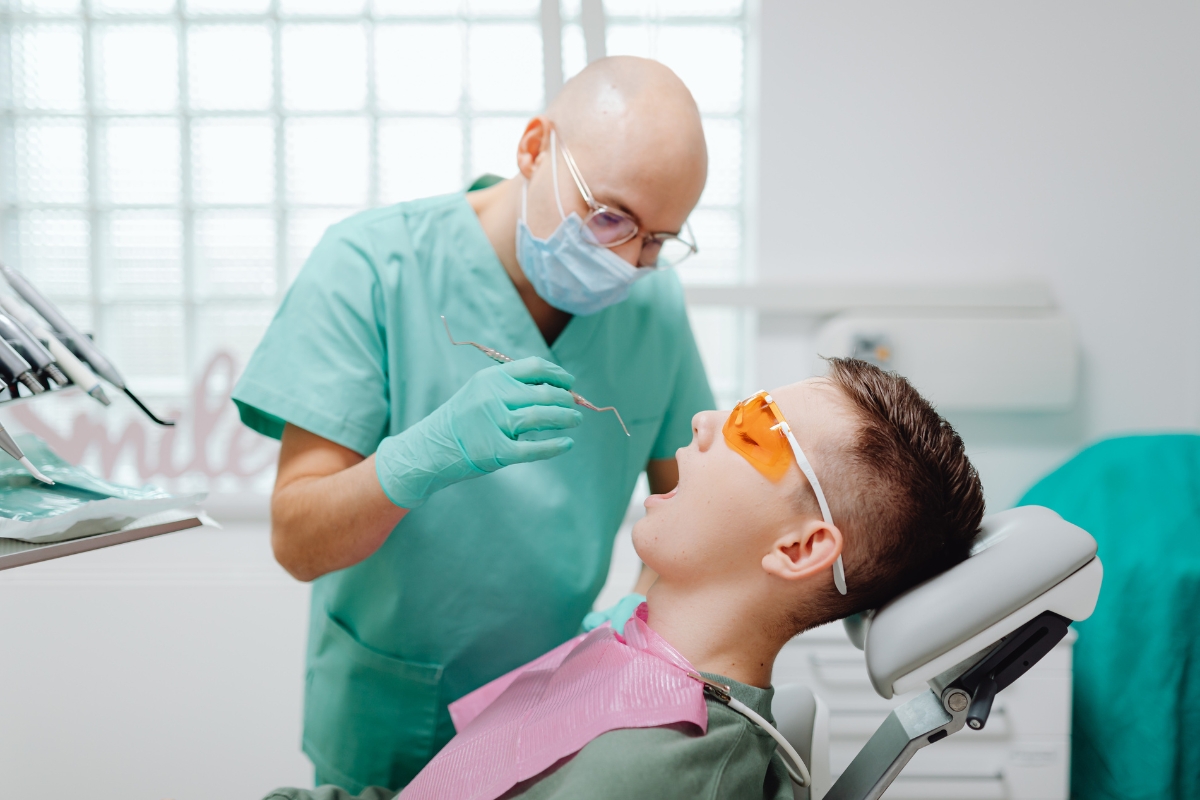
Your dentist is your best ally here. Regular checkups mean they can spot any sealant damage early and fix it before problems start. Don’t miss those cleanings and checkups—your teeth will thank you.
4. Don’t Ignore Teeth Grinding
Grinding your teeth at night can wear down sealants in a hurry. If you know you grind your teeth or wake up with a sore jaw, bring it up with your dentist. They might suggest a night guard to help protect your teeth (and your sealants).
5. Pay Attention To Wear And Tear
Sealants are made to last, but they won’t last forever. Back molars deal with a lot of pressure. Your dentist will let you know when it’s time for a touch-up or to reapply the sealant to keep your teeth protected.
Why Is Proper Care Important?
Taking care of your sealants means they keep doing their job—shielding your teeth from cavities. If they chip or wear down, you lose that protection, and suddenly your teeth are at risk again. A little care now keeps your smile healthy and strong for years.
Dental sealants are a simple way to stay ahead of cavities, but they work best when you give them a little attention. Keep up with your brushing, avoid food that’s rough on your teeth, and see your dentist regularly. If you haven’t tried sealants yet or think you’re due for a touch-up, just call our dentist at Riverpark Dental of Howell today to set up a visit.
FAQs
1. How long do dental sealants last?
Dental sealants typically last around 5 to 10 years, but regular checkups are needed to ensure they remain intact.
2. Can sealants prevent all cavities?
While sealants can significantly reduce the risk of cavities in the back teeth, it’s still essential to practice good oral hygiene for complete protection.
3. Are dental sealants safe for children?
Yes, dental sealants are a safe and effective preventive measure for children, especially when they have deep grooves in their molars.
4. Can I eat after getting dental sealants?
You can eat immediately after getting dental sealants, but avoid hard or sticky foods for the first 24 hours to ensure the sealants fully set.
5. Do sealants replace the need for brushing?
No, sealants don’t replace brushing. They act as an additional protective layer, but you should still brush and floss regularly to maintain oral health.