4034 US-9 Howell, NJ 07731
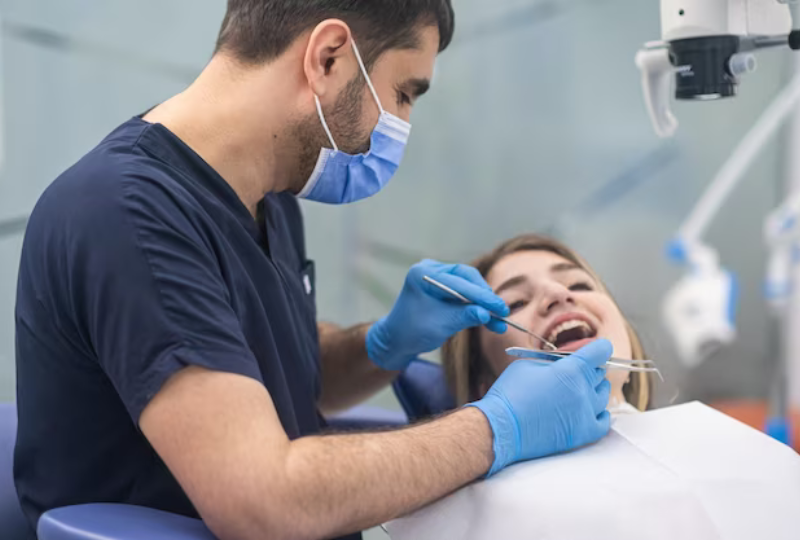
Recovery from a bone graft is a crucial process that rebuilds the foundation for a healthy, functional smile. Whether your graft was part of a dental implant procedure or used to restore jawbone loss, healing plays a vital role in the success of treatment. Knowing what you can expect during recovery can make the process less uncertain and help you take the proper steps toward complete healing.
Understanding the Healing of Bone Grafts
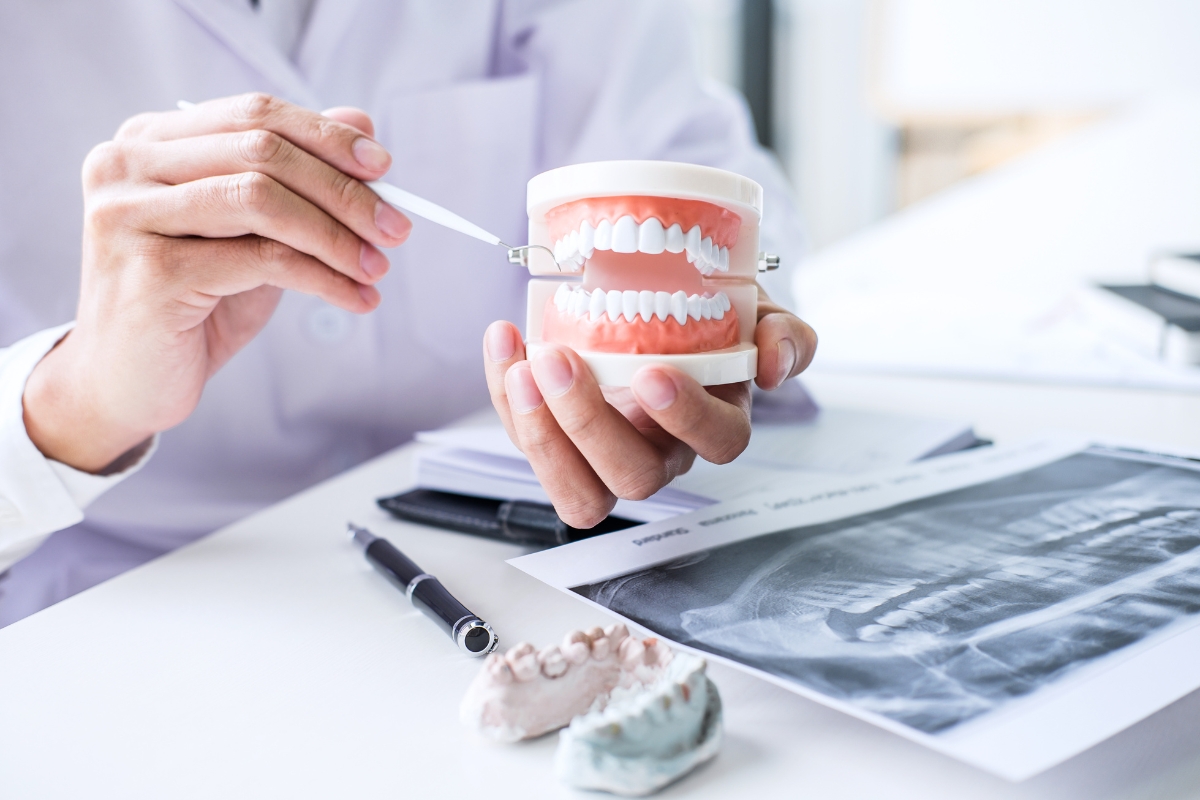
A dental bone graft adds or restores bone in areas where it’s too thin or weak to support a tooth or implant. The graft encourages your body to regenerate new bone tissue over time. This does not occur overnight; it is a gradual process and depends on one’s health, the size of the graft, and how well one adheres to the dentist’s instructions.
Most of the time, the initial healing period, during which swelling and tenderness subside, lasts about two weeks. However, it takes a little more time for the bone to rebuild. The grafted area usually fuses with your natural bone within three to six months, providing a solid foundation for the dental work.
If you undergo a more extensive procedure, such as a sinus lift or ridge augmentation, complete healing may take nearly nine months. These timelines are not rigid because each patient’s condition and lifestyle vary.
What Influences Bone Graft Healing Time
Several factors can affect how long it takes for your bone graft to heal:
- General health: The presence of diabetes or autoimmune diseases will slow down the rate of bone regeneration.
- Smoking: Nicotine constricts the blood vessels, reducing oxygen delivery and potentially hindering the growth of bone cells.
- Oral hygiene: Keeping the area clean minimizes the risk of infection and supports faster healing.
- Graft material: Synthetic grafts may not integrate as quickly as grafts made from your own bone.
- Aftercare habits: Following your post-procedure instructions, such as consuming soft foods and keeping pressure off the site, can significantly speed up recovery times.
During this phase, your body replaces the graft with natural bone. Regular checkups allow your dentist to monitor the progress and ensure that the graft is integrating well.
What You May Feel During Recovery
Mild discomfort, swelling, and slight bruising are common during the first few days. You may feel some tenderness when chewing or brushing near the graft. Most patients manage it quite well with prescription or over-the-counter pain medication, in addition to cold compresses in the initial healing stages.
It is important not to irritate the surgical site. Avoid touching it with your tongue, and refrain from eating hard or crunchy foods for a while. As healing progresses, you will regain comfort and stability in the area.
Follow-up visits after receiving bone grafting in Howell ensure your recovery stays on course and that your graft develops as planned. These follow-up visits confirm for your dental team that the new bone is growing just as expected.
Tips for Smoother Recovery
The right habits while recovering can make all the difference. Here’s what can help:
- Stick to a soft diet consisting of soups, yogurt, mashed vegetables, and scrambled eggs.
- Rinse gently with warm salt water after meals to keep the area clean.
- Smoking and alcohol consumption should be avoided because both interfere with bone regeneration.
- Take all prescribed antibiotics to prevent infection.
- Regularly attend dental checkup appointments so your provider can monitor your progress.
Keep in mind that after visible swelling subsides, your mouth is still healing beneath the surface. Patience and continued care are essential for achieving a successful long-term result.
Why Healing Time Matters
The quality of the bone healing will directly affect your next steps, especially if you plan to have dental implants. Proper bone fusion provides a good anchor for the implant, hence increasing stability and durability. Rushing the process or neglecting care can jeopardize results, and therefore, it is worth giving your body the time it requires to regenerate fully.
If you are considering or recovering from a bone graft, smooth communication with your dental team makes all the difference. They will be able to walk you through each step of the process from aftercare to your next restorative move. Book your appointment now with River Park Dental to discuss your progress and ensure a solid foundation for your smile for years to come.